

Recycling Week 2025: Why closing the loop on plastic matters more than ever
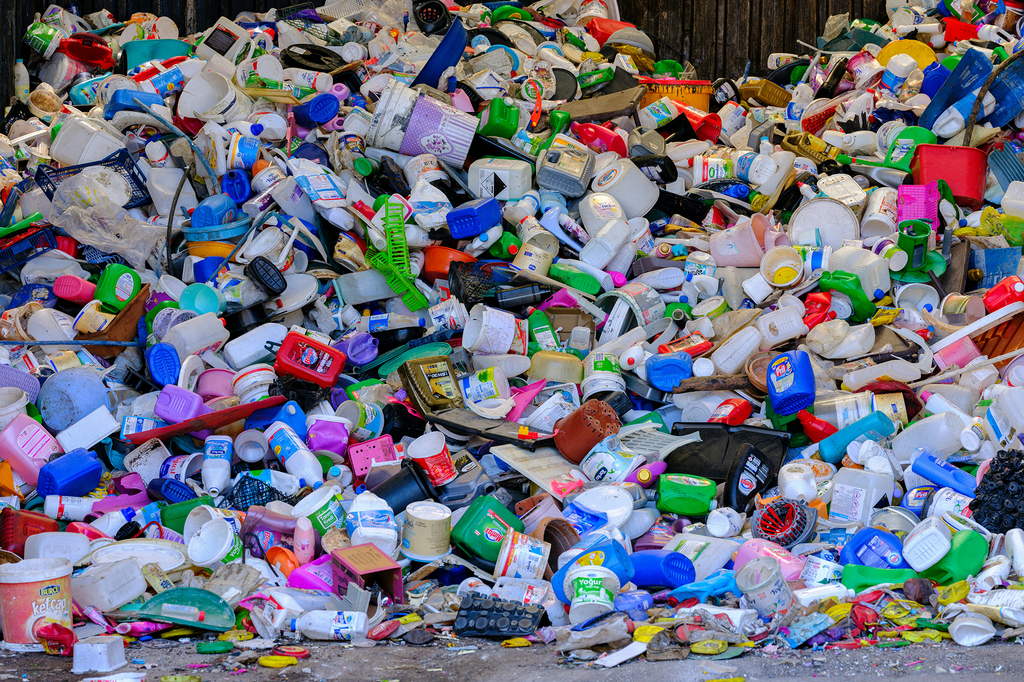
This Recycling Week (22 - 28 September 2025), the focus is on how we can all take action to protect our planet by rethinking waste. For Delphis Eco, recycling isn’t just a week-long campaign - it’s at the heart of everything we do, every single day.
What is Recycling Week?
Recycling Week is an annual awareness campaign led by WRAP (the Waste and Resources Action Programme) to shine a spotlight on the importance of recycling. Each year, it inspires households, communities, and businesses across the UK to recycle more and waste less.
It’s a chance to celebrate progress, share solutions, and motivate everyone - consumers and companies alike - to play their part in building a more circular, sustainable economy.
Why recycling matters
Plastic pollution remains one of the biggest environmental challenges of our time. A recent study in 2022 found Globally, only 9% of plastic was recycled each year. The rest ends up in landfills, incinerators, or polluting rivers and oceans - harming wildlife and fuelling climate change.
The solution lies in closing the loop: keeping valuable materials in circulation through reuse and recycling. By switching from virgin plastic to Post-Consumer Recycled (PCR) plastic, we can significantly cut emissions, reduce waste, and drive a circular economy where nothing is wasted.
What is Post-Consumer Recycled (PCR) Plastic?
PCR plastic is made from everyday items that people have already used and recycled - such as milk bottles, drinks containers, and household packaging. Instead of becoming waste, this plastic is collected, processed, and re-manufactured into new packaging and products.
Using PCR plastic has three big benefits:
Lower carbon emissions – producing PCR plastic uses up to 86% less energy than virgin plastic
Keeps waste in circulation – turning old packaging into new products reduces landfill and ocean pollution
Supports the circular economy – ensuring resources are used again and again, not wasted after one use.

Delphis Eco’s carbon savings
Our commitment to PCR isn’t just about principles -it’s about measurable change. In 2024 Delphis Eco used 57.5 tonnes of 100% recycled Post Consumer HDPE (high-density polyethylene). That means, compared with virgin HDPE we’ve saved approximately:
🌍 102.6 tonnes of CO₂
🚗 Equivalent to 586,000 miles driven by car
👕 Equal to producing 41,600 cotton t-shirts
🥤 The same as 2.48 million 300ml bottles
✈️ Equivalent to avoiding 120 one-way flights from London to New York
These numbers show just how powerful recycling can be when it’s built into the DNA of a business.
Closing the loop through circular thinking
A circular economy keeps resources in play for as long as possible - designing out waste and turning yesterday’s packaging into tomorrow’s products.
At Delphis Eco, we design with this principle in mind:
Our bottles are made from recycled UK milk bottles
They’re 100% recyclable after use
Manufactured entirely in the UK, cutting transport emissions and supporting local jobs
This is how recycling transforms from a short-term action into a long-term solution.
How you can make a difference
Recycling Week is a reminder that we all have a part to play - businesses and consumers alike.
For businesses:
Switch to high-PCR packaging
Audit your plastic footprint
Report progress openly and transparently
For consumers:
Choose products packaged in PCR plastic
Recycle correctly - clean, sorted waste leads to better recycling
Ask brands how much of their packaging is made from recycled content
Every week is Recycling Week
This Recycling Week, let’s celebrate progress - but also commit to going further. At Delphis Eco, our journey proves that 100% PCR is possible, impactful, and scalable.
By keeping plastic out of oceans, emissions out of the atmosphere, and resources in circulation, we can create a cleaner, greener future. Not just for one week, but every week of the year.
Leave a comment